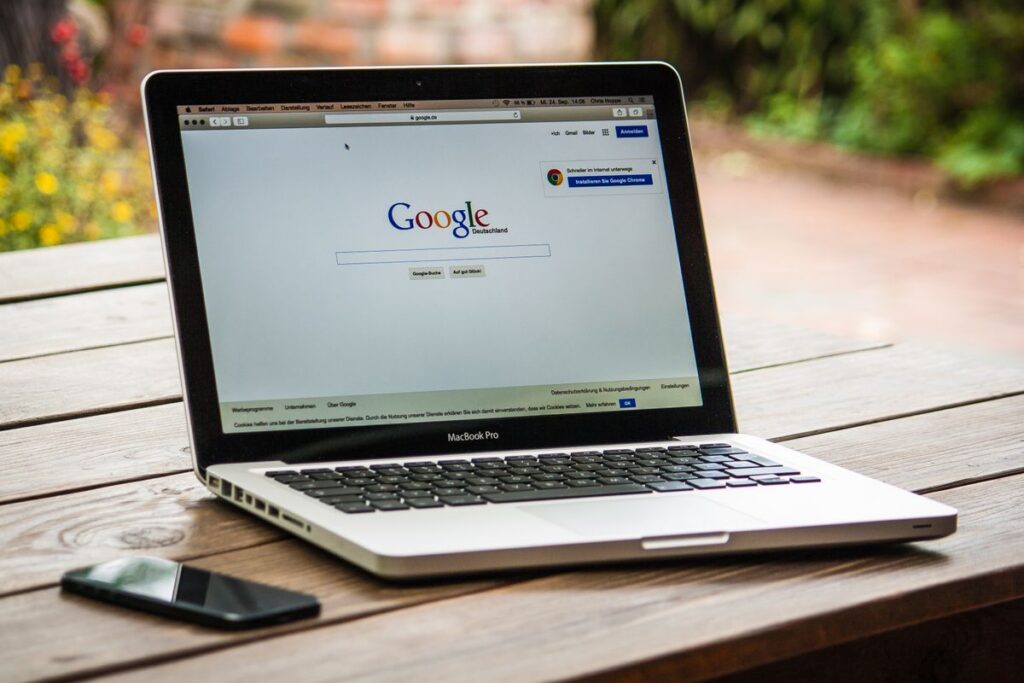
If you run a business off Route 17 or Route 4, you already know the problem. Thousands of cars pass your sign every day, and most of them are heading somewhere else. A good PPC agency Paramus NJ owners can trust fixes that by putting your business in front of people at the exact moment they search for what you sell.
That is what pay per click does when it is built right. You pay when someone clicks. You show up when someone is ready. And you can see, down to the dollar, what every lead cost you.
The problem is that most local ad accounts are not built right. We audit them every week. We see the same mistakes over and over: broad keywords, no negative keywords, ads running at 2 AM on a Sunday, and landing pages that send people to a homepage with no phone number in sight.
Here is how the team at The Hype Hero builds paid ads that actually pay for themselves.
Why Paid Search Works So Well in a Retail Town
Few places in New Jersey shop like Paramus. The borough describes itself as a retail center, with three major malls and two highways lined with stores, according to the borough’s own shopping page. Westfield Garden State Plaza alone pulls shoppers from all over Bergen County and beyond.
That density cuts both ways.
On one hand, demand is huge. People are searching “near me” from the parking lot. On the other hand, you are bidding against national chains with national budgets. If you try to outspend them, you lose. If you outsmart them, you win.
Outsmarting them comes down to three things:
- Tight geography. Target a radius around your location, not the whole state.
- High intent keywords. Bid on searches that signal a buyer, not a browser.
- Smart scheduling. Spend money when your phones are answered and your doors are open.
The Sunday Rule Most Ad Accounts Ignore
Here is a local detail that national agencies miss every single time. Paramus still follows the blue laws that Bergen County is known for. Most retail stores are closed on Sundays.
So why are so many local ad accounts still running full budgets on Sunday?
Because the default settings in Google Ads run ads all day, every day. Nobody turned it off. That is wasted money on clicks from people who cannot walk in your door until Monday.
We fix that with ad scheduling. For retailers, we pull Sunday spend way down or shift it to messages that make sense, like “Shop Online Today” or “Book Your Monday Appointment.” For home service businesses that do take calls on Sunday, we keep ads live but push them toward call-only campaigns.
The point is simple. Your ad schedule should match your real business hours.
Location Targeting That Actually Matches Your Customers
Google gives you a lot of control over where your ads show. Its location targeting guide walks through radius targeting, ZIP code targeting, and the option to reach people who are physically in an area versus people who are only interested in it.
That last setting matters more than most owners realize. The default can show your ad to someone in Ohio who searched for your town once. We switch campaigns to presence targeting so you only pay for people who are actually here.
For a store on the highway in Paramus, we usually build:
- A tight core radius around your location for your highest bids.
- A wider ring covering nearby towns like Ridgewood, Hackensack, and Fair Lawn at lower bids.
- Exclusions for areas that have never produced a sale.
Then we let the data tell us where to push harder.
Keywords: Pay for Buyers, Not Browsers
A search for “furniture” and a search for “sectional sofa store open today near me” are two very different people. One is daydreaming. The other has a truck and a credit card.
We build keyword lists around buying signals:
- Words like “near me,” “open now,” “price,” “quote,” and “best.”
- Specific products or services, not broad categories.
- Your town and nearby town names for local intent.
Just as important is the negative keyword list. That is the list of searches you never want to pay for: “jobs,” “free,” “DIY,” “how to,” and competitor brand names you cannot beat on price. A strong negative list is often the fastest way to cut wasted spend by 20 percent or more.
Landing Pages That Turn Clicks Into Customers
Here is the hard truth. A great ad sending traffic to a weak page is still a bad campaign.
When someone clicks, they should land on a page that matches exactly what the ad promised. If the ad says “Same Week Kitchen Estimates,” the page should say that too, with a form and a click-to-call button right at the top.
Every landing page we build for a paid campaign has:
- One clear headline that matches the ad.
- A phone number that dials on mobile with one tap.
- A short form. Name, phone, what you need. That is it.
- Real reviews from real local customers.
- Fast load times, because people stuck in highway traffic are on their phones, not desktops.
Need help on that side? Our paid ads service includes landing page builds, so the ad and the page are designed as one system.
Google Ads vs Meta Ads: Which One Do You Need?
Short answer: usually both, but not at the same time.
Start With Google When People Already Search for You
If customers type what you sell into Google, start there. Plumbers, HVAC companies, dentists, attorneys, and auto shops almost always see faster returns from search because the demand already exists.
Add Meta When You Need to Create Demand
If you sell something people do not search for until they see it, like a new restaurant menu, a boutique opening, or a seasonal promotion, Meta ads on Facebook and Instagram put you in front of locals while they scroll. Meta is also great for retargeting people who visited your site but did not buy.
We usually launch Google first, prove the cost per lead, then layer Meta on top once we know what a customer is worth.
What It Costs and What You Should Expect
Every market is different, but here is how we think about budget. Your ad spend goes to Google or Meta. Our management fee covers the strategy, builds, testing, and reporting. You can see how we structure that on our pricing page.
What should you expect in the first 90 days?
- Month one: Setup, tracking, and learning. We install call tracking and conversion tracking so every lead is counted.
- Month two: Cut the waste. We pause keywords that do not convert and push budget toward the ones that do.
- Month three: Scale what works. Your cost per lead should be dropping and your lead volume climbing.
If an agency cannot tell you your cost per lead, fire them. That number is the whole game.
Lessons From Other Local Campaigns
We have run this same playbook for businesses all over New Jersey. If you want to see how it works for a service business in a smaller downtown, read our breakdown of Google Ads for Dover businesses. The town is different. The fundamentals are the same: tight targeting, buyer keywords, matching landing pages, and honest reporting.
The difference in a market this busy is speed. Competition is heavier, so testing has to move faster and budgets have to be watched daily, not monthly.
Ready to Stop Guessing With Your Ad Budget?
You do not need a bigger budget. You need a smarter one. The team at The Hype Hero builds, manages, and reports on Google and Meta campaigns for local businesses across North Jersey, and we tell you exactly what every lead costs.
If you want a PPC agency Paramus NJ businesses can actually reach on the phone, call us at (973) 326-0081 or book a free ad account audit. We will show you where your money is leaking and how our paid ads team plugs it.
Want more calls from Google?
Get a free marketing audit from The Hype Hero, a Morris Plains NJ agency.
Get a free marketing audit 973-326-0081